How Apartment Staging Enhances Rental Opportunities
In a competitive rental market, landlords and property managers are continually seeking effective methods to attract tenants. One approach that has proven to be beneficial is apartment staging. This article explores how staging can enhance rental opportunities, improve occupancy rates, and provide a solid return on investment.
Understanding the Basics of Apartment Staging
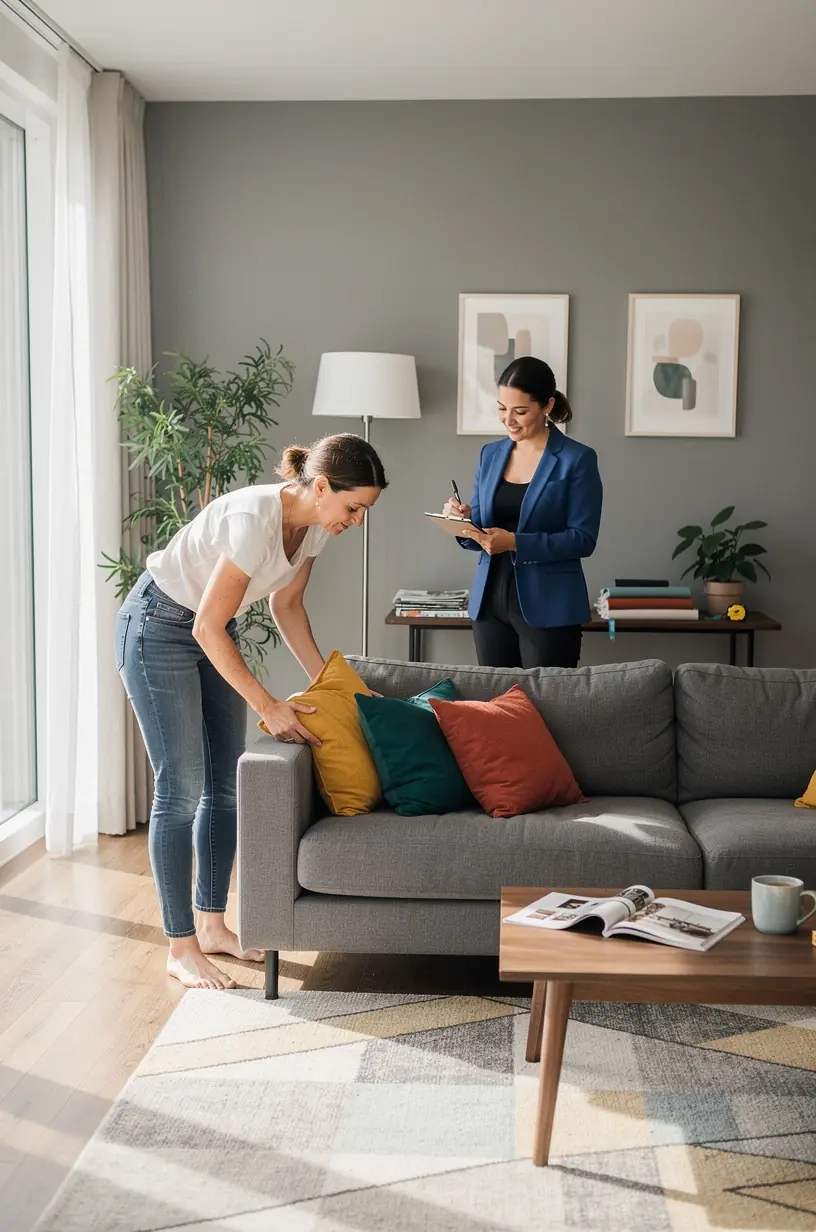
Apartment staging involves decorating and furnishing a rental space with the aim of presenting it in the best possible light. According to industry experts, properly staged apartments can lead to faster leases and higher rental prices. The principle behind staging is rooted in the psychology of potential tenants, as a well-staged space allows them to visualize living in the apartment.

"Research indicates that staged homes sell 73% faster than non-staged homes, highlighting the significant impact of effective presentation."
The Benefits of Apartment Staging
Staging not only enhances the visual appeal of an apartment, but it also has several practical benefits:
- Increased Perceived Value: Staged apartments often seem more desirable, allowing landlords to justify higher rental prices. Studies show that staged properties can command a rental price premium of 5-10%.
- Faster Rental Process: Many landlords report that staged apartments tend to attract interest more quickly, reducing vacancy times. In most cases, this can mean getting new tenants within weeks instead of months.
- Improved Tenant Experience: A thoughtfully designed space can enhance the overall experience for prospective tenants, making them feel more at home and increasing their likelihood of renting.
How to Stage an Apartment Effectively
Staging an apartment involves several steps, often requiring a modest investment of time and resources. Here’s a typical process:
- Declutter and Clean: Removing personal items, excess furniture, and deep cleaning the apartment is crucial to create an inviting atmosphere.
- Select Neutral Decor: Choosing neutral colors for walls and furniture helps appeal to a broader audience. Experts recommend using light tones to create a feeling of space and cleanliness.
- Furnish Strategically: Arrange furniture in a way that highlights the apartment's best features. Use furniture that is appropriately sized — not too large or too small — to maintain a balanced look.
- Enhance with Accessories: Adding simple decor items, such as artwork or plants, can make the space feel warm and inviting, enhancing its overall appeal.
Acknowledge Limitations
While staging can significantly improve rental opportunities, it is important to note that it typically requires an investment of both time and money. A well-executed staging process might take 1-3 weeks, depending on the apartment's size and the extent of changes needed. Additionally, not all properties will benefit equally, as the effectiveness of staging can depend on the local rental market and the existing condition of the apartment.
Conclusion
In summary, apartment staging is an effective strategy that can enhance rental opportunities through increased perceived value and faster leasing times. While it requires an upfront investment and may not be suitable for every situation, the potential benefits make it a worthy consideration for landlords and property managers. By adopting a thoughtful and methodical approach to staging, property owners can improve their chances of securing quality tenants and achieving a favorable return on their investment.
Discover More