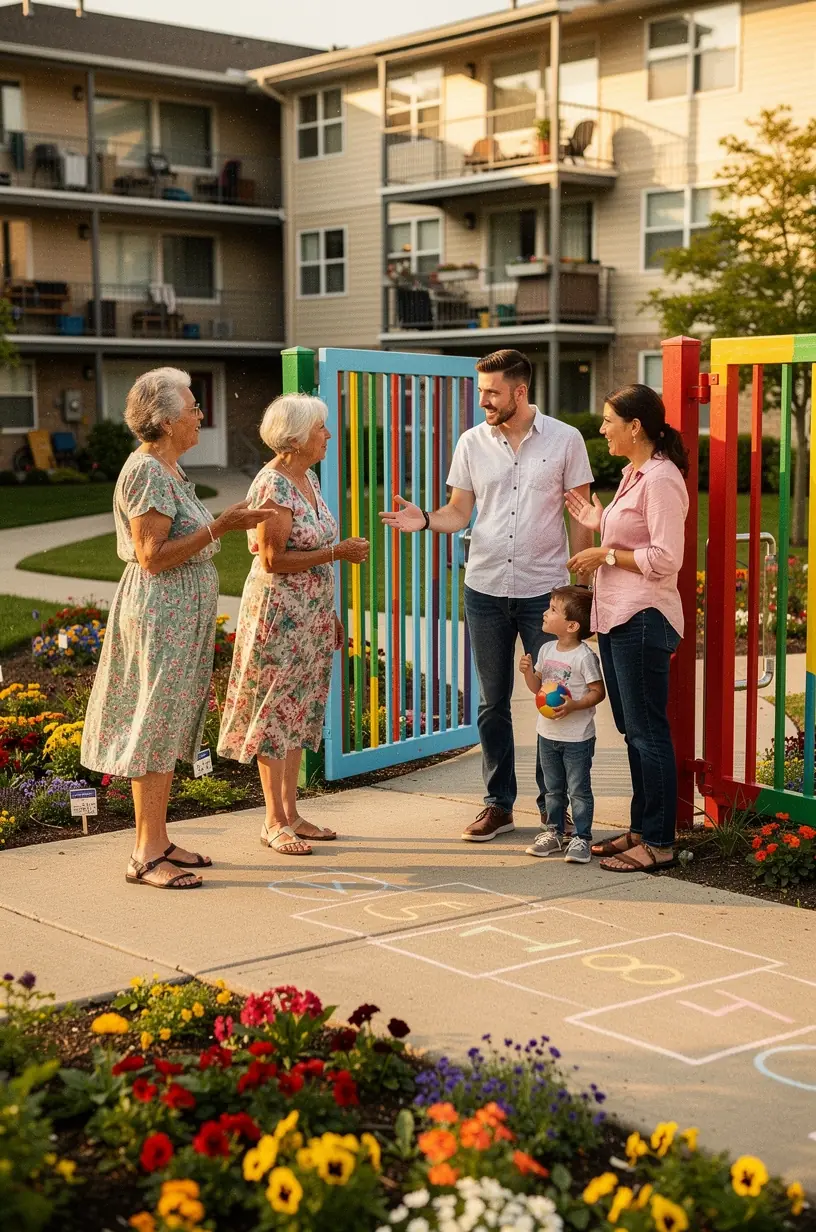
Investigating Sustainable Practices in Apartment Renovations
As apartment transformation agencies look for ways to enhance living spaces without extensive resources, sustainable practices have become a focal point. This article explores practical approaches that can lead to effective, low-cost improvements while considering environmental impact.
Understanding Sustainable Renovations
Sustainable renovation practices aim to reduce waste, conserve energy, and create healthier living environments. According to research conducted by the U.S. Green Building Council, buildings that incorporate sustainable materials and practices can reduce energy consumption by up to 30% compared to conventional methods. This approach works because it emphasizes resource efficiency and environmental stewardship.
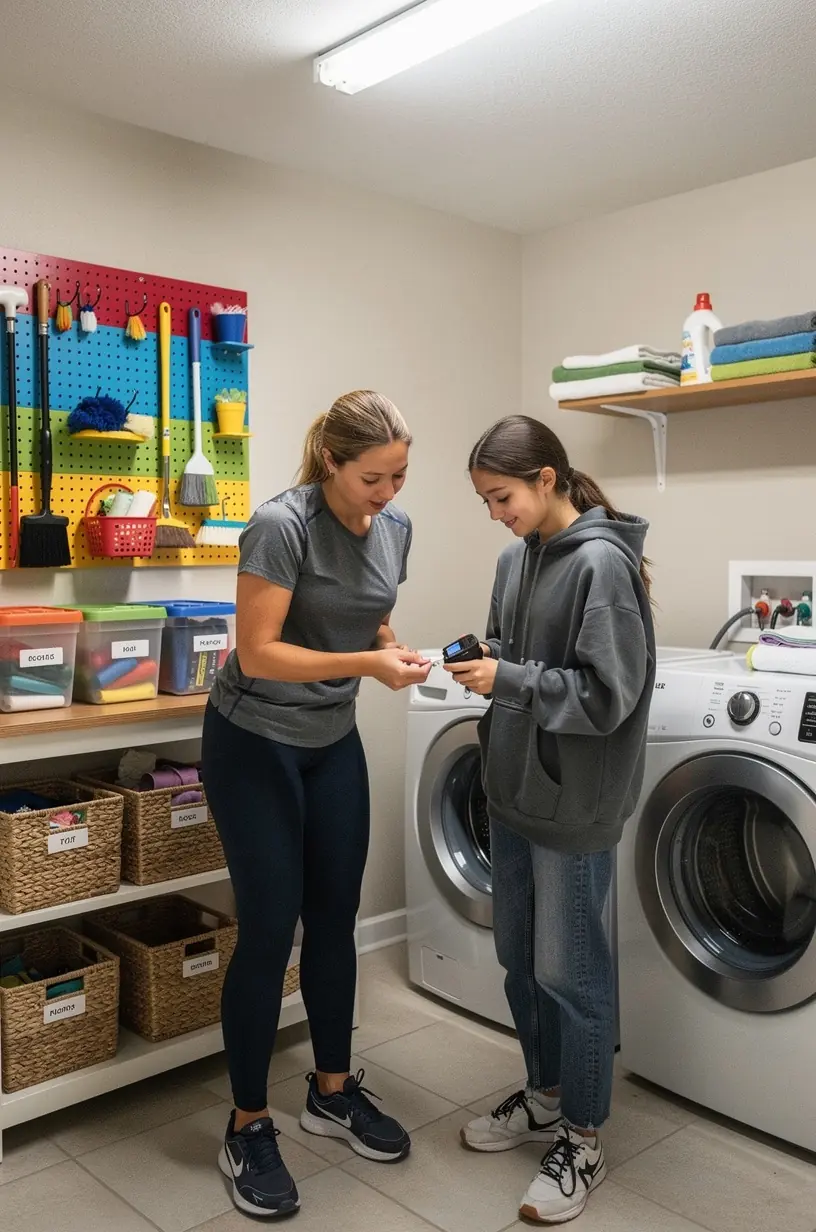
"Sustainable practices not only benefit the environment but can also reduce long-term costs for residents," says Dr. James Green, an expert in sustainable architecture.
Common Sustainable Practices in Apartment Renovations
- Utilizing Recycled Materials: Many renovation projects benefit from using recycled or reclaimed materials, which can reduce waste and often come at a lower cost.
- Energy-Efficient Appliances: Installing Energy Star-rated appliances can lead to significant savings on utility bills. Studies show homeowners can save 10-50% on energy costs when switching to these appliances.
- Natural Lighting Solutions: Incorporating larger windows or skylights can reduce the need for artificial lighting, leading to energy savings. Experts often recommend maximizing natural light in renovations.
Implementing Sustainable Practices Effectively
To effectively implement sustainable practices in apartment renovations, agencies should consider the following:
- Conduct a Pre-Renovation Assessment: Evaluate the current environmental impact of the apartment and identify areas for improvement. This typically takes 1-2 weeks.
- Set Realistic Goals: Define what sustainability means for your specific project. Works best when the goals align with the budget and timeline.
- Engage with Experts: Collaborating with professionals who understand sustainable practices can enhance outcomes and ensure compliance with industry standards.
Challenges and Limitations
While the benefits of sustainable renovations are significant, there are challenges to consider:
- Time Commitment: Implementing sustainable practices typically requires additional planning and can extend the renovation timeline by 2-4 weeks.
- Initial Cost: Some sustainable materials may have a higher upfront cost, although they often pay off through energy savings over time.
- Knowledge Gap: Not all renovation teams are familiar with the latest sustainable practices, which can hinder effective implementation.
Conclusion
Incorporating sustainable practices into apartment renovations can lead to significant environmental and economic benefits. While challenges exist, with careful planning and the right expertise, agencies can achieve improvements that resonate with eco-conscious tenants. By focusing on educational insights and practical applications, we can pave the way for a more sustainable future in apartment living.