Understanding the Impact of Color in Apartment Designs
Color plays a significant role in interior design, influencing mood, perception, and even the spatial dimensions of an apartment. This article explores how color choices can create quick, low-cost transformations, providing practical insights for residents and apartment transformation agencies alike.
Understanding the Basics of Color Psychology
Color psychology is a field that studies how colors affect human behavior and emotions. According to research from the Institute for Color Research, people make subconscious judgments about environments within 90 seconds of initial viewing, and up to 90% of that assessment is based on color alone. This means that the right color can significantly enhance the appeal of an apartment.
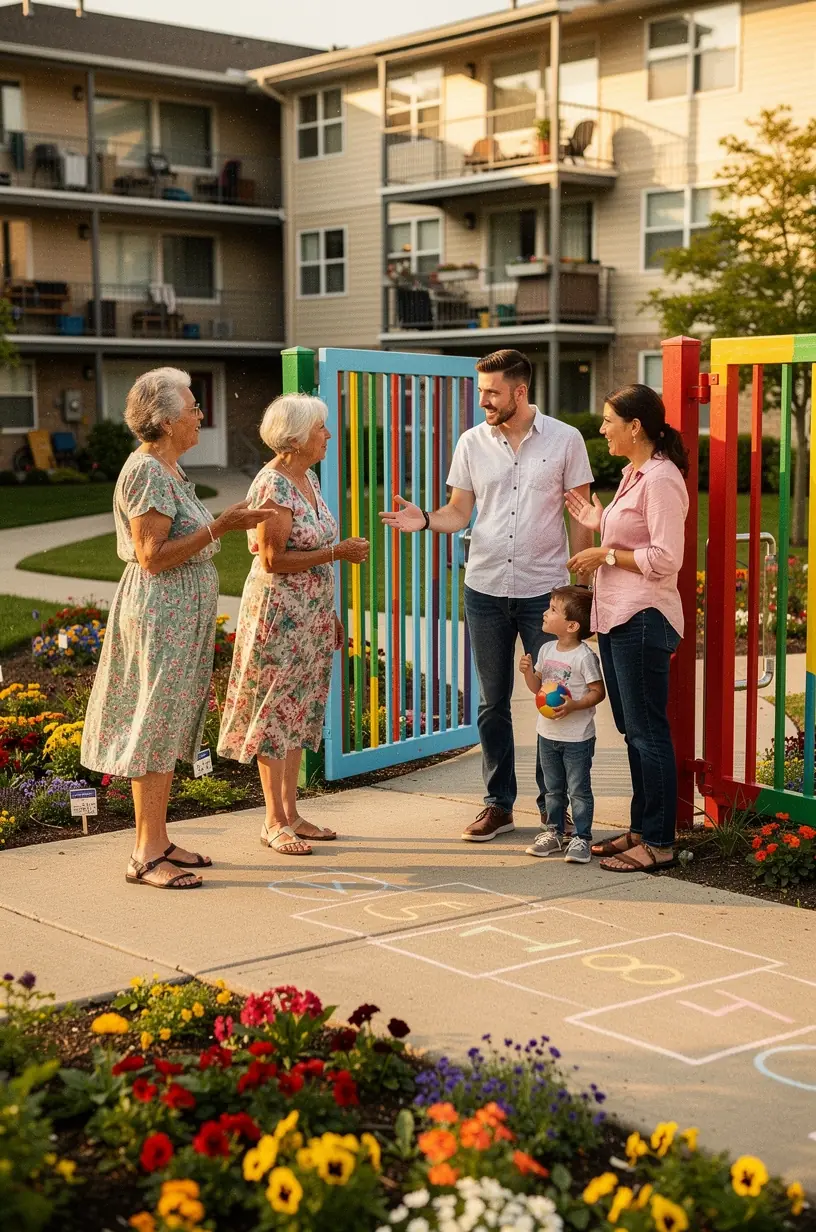
"Colors can evoke emotions and influence our perception of space, making them a powerful tool in interior design."
Choosing the Right Colors for Your Space
When selecting colors for your apartment, it’s essential to consider the following factors:
- Room Functionality: Different colors can affect the mood of a room. For example, blue hues are often associated with calmness, making them suitable for bedrooms, while vibrant yellows can energize a kitchen.
- Natural Light: The amount of natural light a room receives can alter how colors appear. Typically, lighter colors can make a space feel larger and more open, which is beneficial in smaller apartments.
- Accent Colors: Using accent colors can highlight features or create focal points. Experts recommend using a color wheel to select complementary shades that enhance each other.
Practical Application of Color in Design
Implementing color changes in your apartment doesn’t have to be expensive or time-consuming. Here are some practical methods:
- Paint: A fresh coat of paint can dramatically change a room’s ambiance. Research indicates that choosing a modern palette—such as grays combined with pops of color—can make spaces feel contemporary.
- Textiles: Incorporating colored fabrics through pillows, throws, or curtains can introduce color without overwhelming the space. Many users report greater satisfaction from small textile changes.
- Artwork and Decor: Adding artwork or decorative items in your chosen color scheme can unify the design. This approach typically requires minimal financial investment while providing significant aesthetic benefits.
Understanding Limitations and Expectations
While color can have a powerful impact, it is essential to approach these changes with realistic expectations:
- Color transformations can take time to evaluate; it may require a few weeks to see how the changes affect your overall mood and perception of space.
- Involvement in the decision-making process is crucial. Understanding your preferences and how colors resonate with you is a critical step.
- These changes may not be ideal for everyone; personal taste plays a significant role, and what works for one person may not suit another.
Conclusion
In conclusion, understanding the impact of color in apartment designs can lead to significant improvements in both aesthetics and emotional well-being. By leveraging color psychology and considering practical applications, residents can create inviting spaces that reflect their personal style. Remember, these transformations often require thoughtful consideration and may take some time to fully appreciate.
Discover More